n recent years, Soroban has gained increasing attention from parents who are looking for effective methods to help their children develop thinking skills, concentration, and reflexes through mathematics.
So, what is Soroban, where does it come from, what is the most suitable age for children to learn Soroban, and what values does this method bring to a child’s development?
The article below will help parents gain a clear and accurate understanding before choosing this method for their children.
1. What Is Soroban?
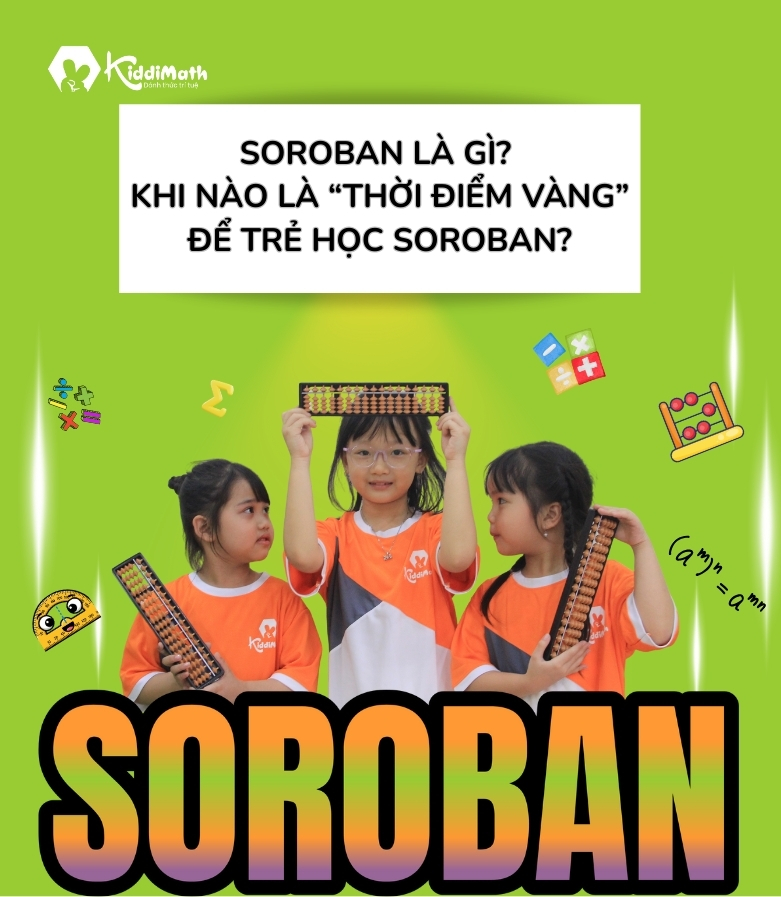
Soroban is the Japanese abacus — a traditional calculating tool that is still widely used today in mental arithmetic education.
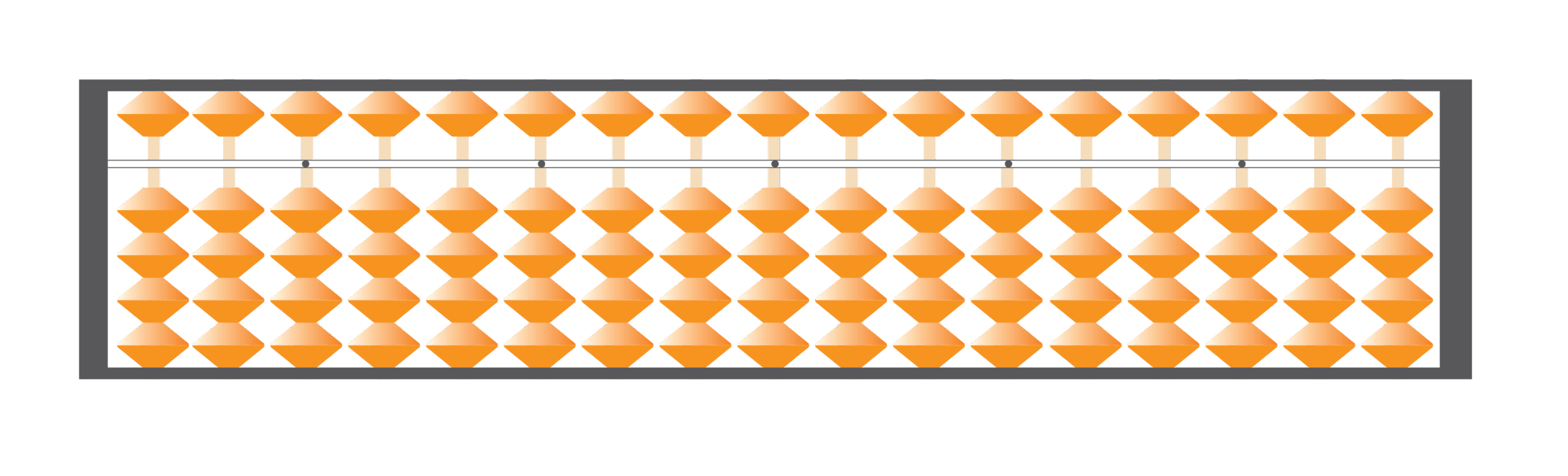
Soroban is not only used for performing addition, subtraction, multiplication, and division, but also serves as a powerful brain-training tool, helping children develop fast calculation skills through visualization and hand movements.
Structure of the Soroban Abacus
-
Each rod consists of 1 upper bead (representing “Heaven”)
-
And 4 lower beads (representing “Earth”)
This structure is considered the most refined and efficient design among abacus types, making it easy for children to manipulate, remember, and develop strong visual thinking skills.
2. The Origin of Soroban
Soroban is not a newly invented method; it has a long history across multiple civilizations.
-
In ancient Greece, early abacus-like tools were used for counting and trading on marble boards.
-
These tools spread to Eastern regions and the Roman Empire.
-
Through the Silk Road, the abacus was introduced to China, where it evolved into a version with 2 upper beads and 5 lower beads.
-
In the 16th century, the Chinese abacus was brought to Japan and further refined into the Soroban, which is still used today.
This process of refinement transformed Soroban into a highly effective calculation tool and a valuable method for cognitive development in children.
3. Learning Objectives and Teaching Method of Soroban
Objectives of Soroban Learning
Soroban does not focus on mechanical memorization. Instead, it emphasizes the development of core cognitive skills, including:
-
Concentration during observation and calculation
-
Memory through visualizing abacus patterns and rules
-
Quick reflexes in processing calculations
-
Confidence as children gain control over mental computation

In addition, children become:
-
More agile and flexible in thinking
-
More interested in learning
-
Better balanced in brain activity and cognitive coordination
Soroban Teaching Method
-
Core method: using the Soroban abacus combined with calculation formulas
-
Supporting methods: visual imagery (Ikiddi), real-life applications, and math-based games
-
Lessons are designed to help children engage with numbers naturally, experiencing mathematics as “playing with numbers” rather than rigid academic study
4. The Golden Age to Learn Soroban
Soroban is especially suitable for children aged 6 to 12 years old, a period when the brain develops rapidly in:
-
Logical thinking
-
Visual thinking
-
Concentration and memory

At this age, children are capable of:
-
Understanding number structures
-
Accurately manipulating the abacus
-
Gradually transitioning from using physical tools to mental calculation by visualizing the Soroban in their minds
Learning Soroban early helps children build a strong cognitive foundation before advancing to more complex mathematical concepts.
5. Scope of Application of Soroban
With Soroban, children can:
-
Perform fast addition and subtraction with no limit in number range
-
Practice multiplication and division using the abacus
-
Memorize Soroban images (Ikiddi) to calculate mentally without physical tools
Once proficient, children are able to:
-
Calculate large numbers (hundreds, thousands)
-
Respond quickly to logic-based math problems
-
Apply concentration and memory skills to other subjects as well
6. Benefits of Learning Soroban at KiddiMath
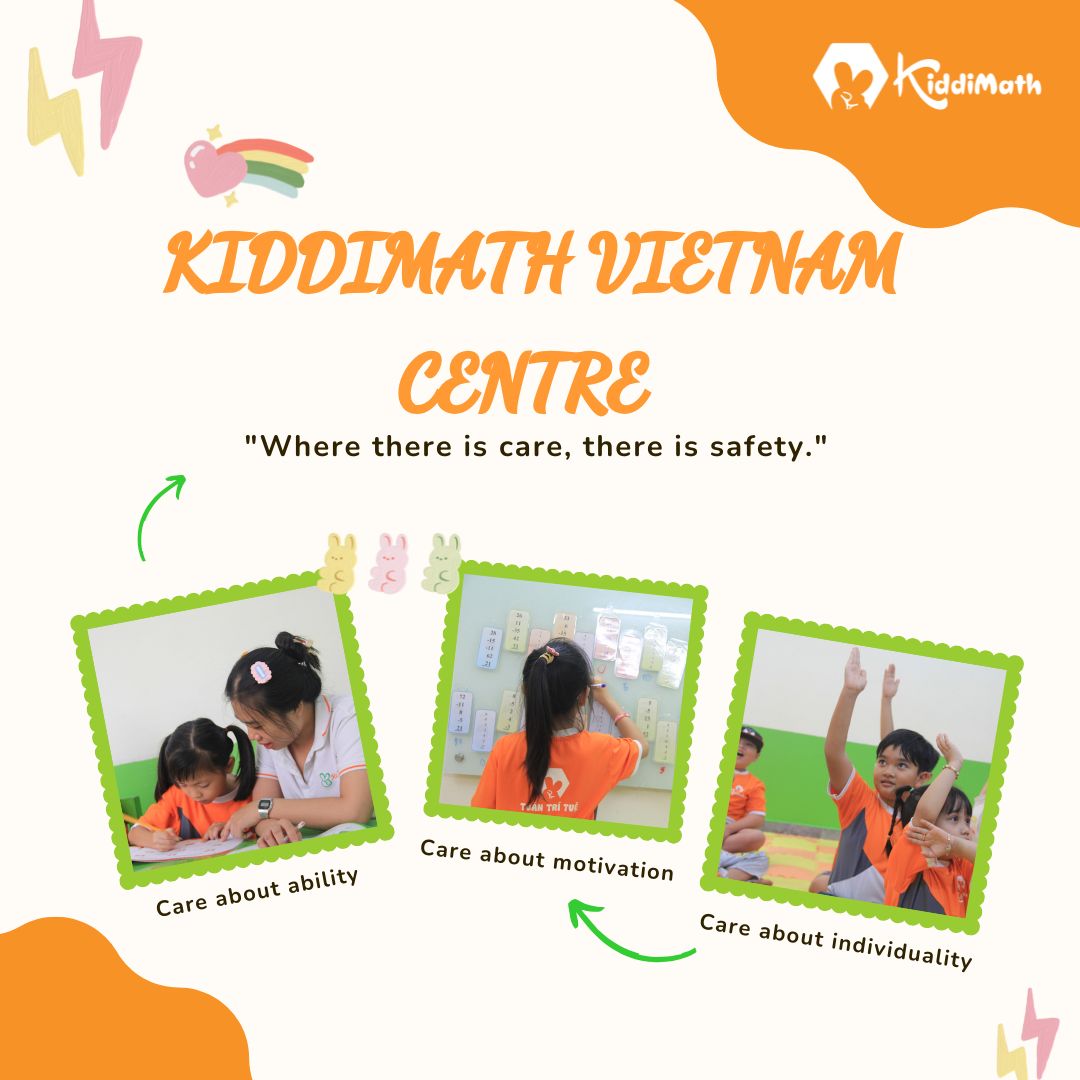
At KiddiMath Skill Development Center, Soroban is taught with the philosophy that “Math is the tool – skills are the goal.”
Through Soroban, children are guided to:
-
Calculate quickly and accurately
-
Develop both brain hemispheres simultaneously
-
Improve concentration, memory, and reflexes
-
Build confidence when facing challenges
Notably, during the first lesson, teachers also guide parents on basic principles, as family involvement plays a crucial role in the child’s learning journey.
“Awakening intelligence and developing essential life skills for children.”
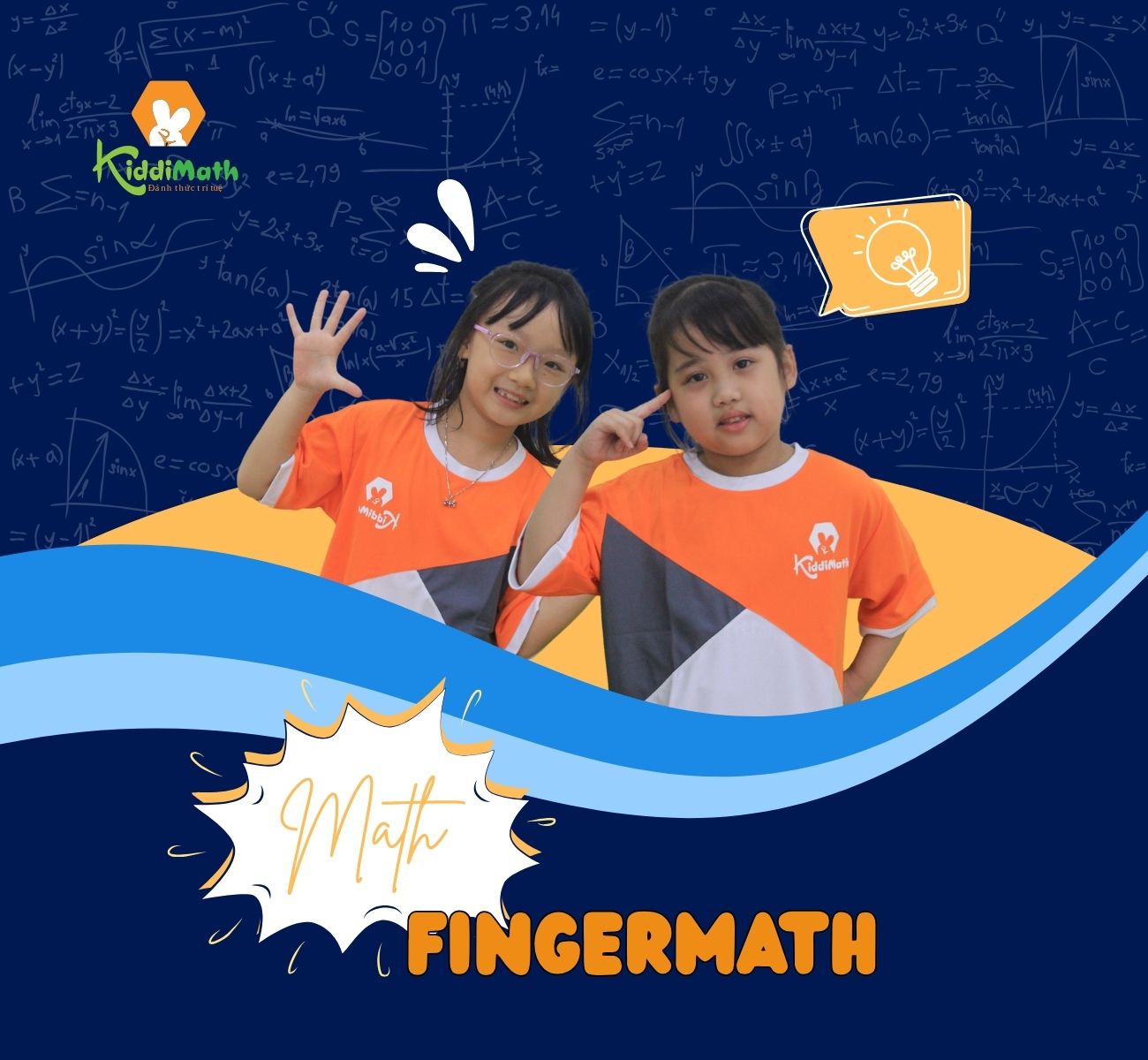
An Intelligent Math Program for Children Aged 4–12, focusing on developing Focus – Memory – Reflex – Confidence through the FingerMath & Soroban methods.
Contact: 090.777.7607 (Ms. Ngoc Anh) – 028.3636.9774
Website: www.kiddimath.edu.vn
Address: 129 Bau Cat 1, Ward Tan Binh, Ho Chi Minh City