When Your Child Has an Emotional Outburst – How Not to “Burst” Along?
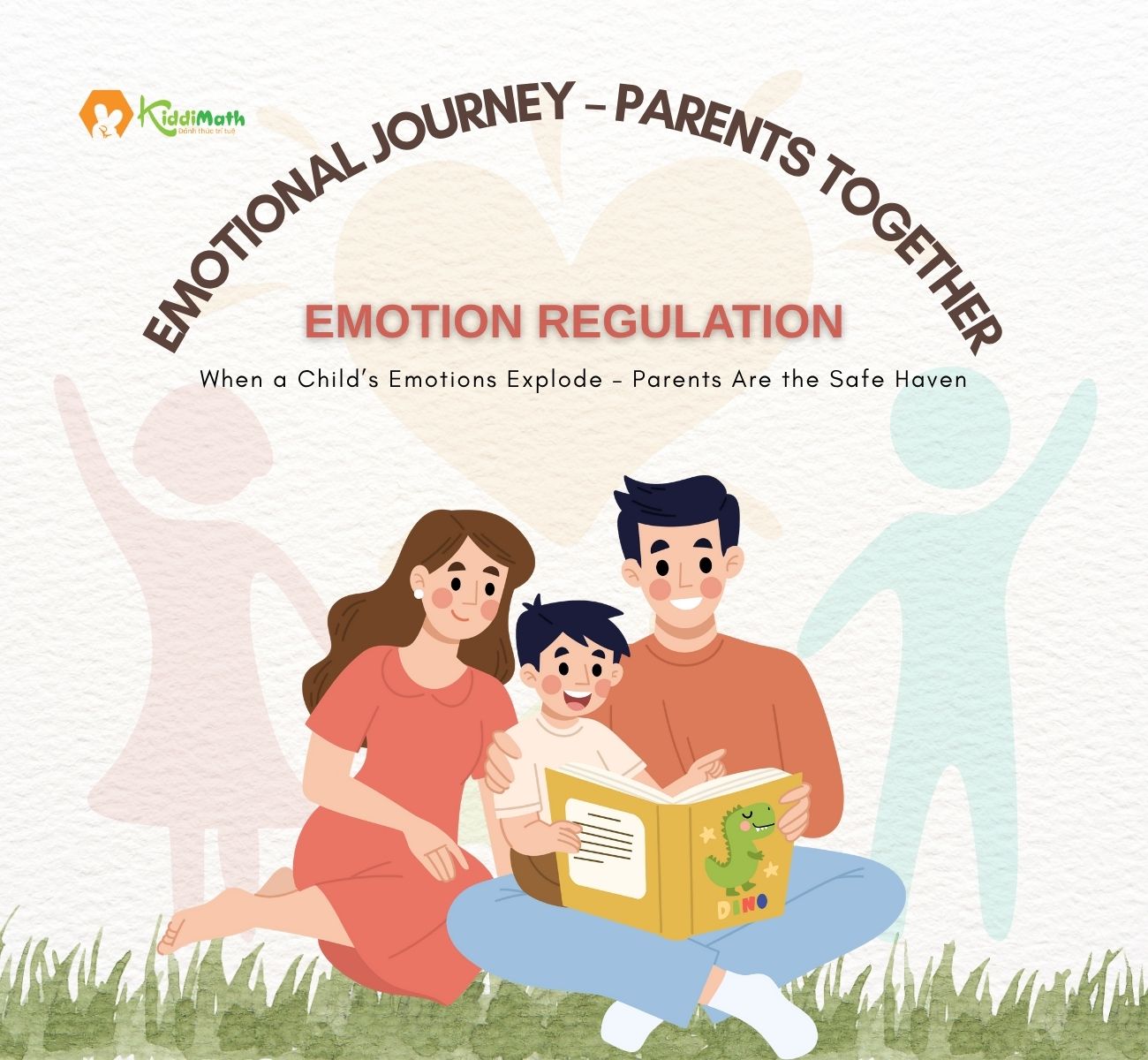
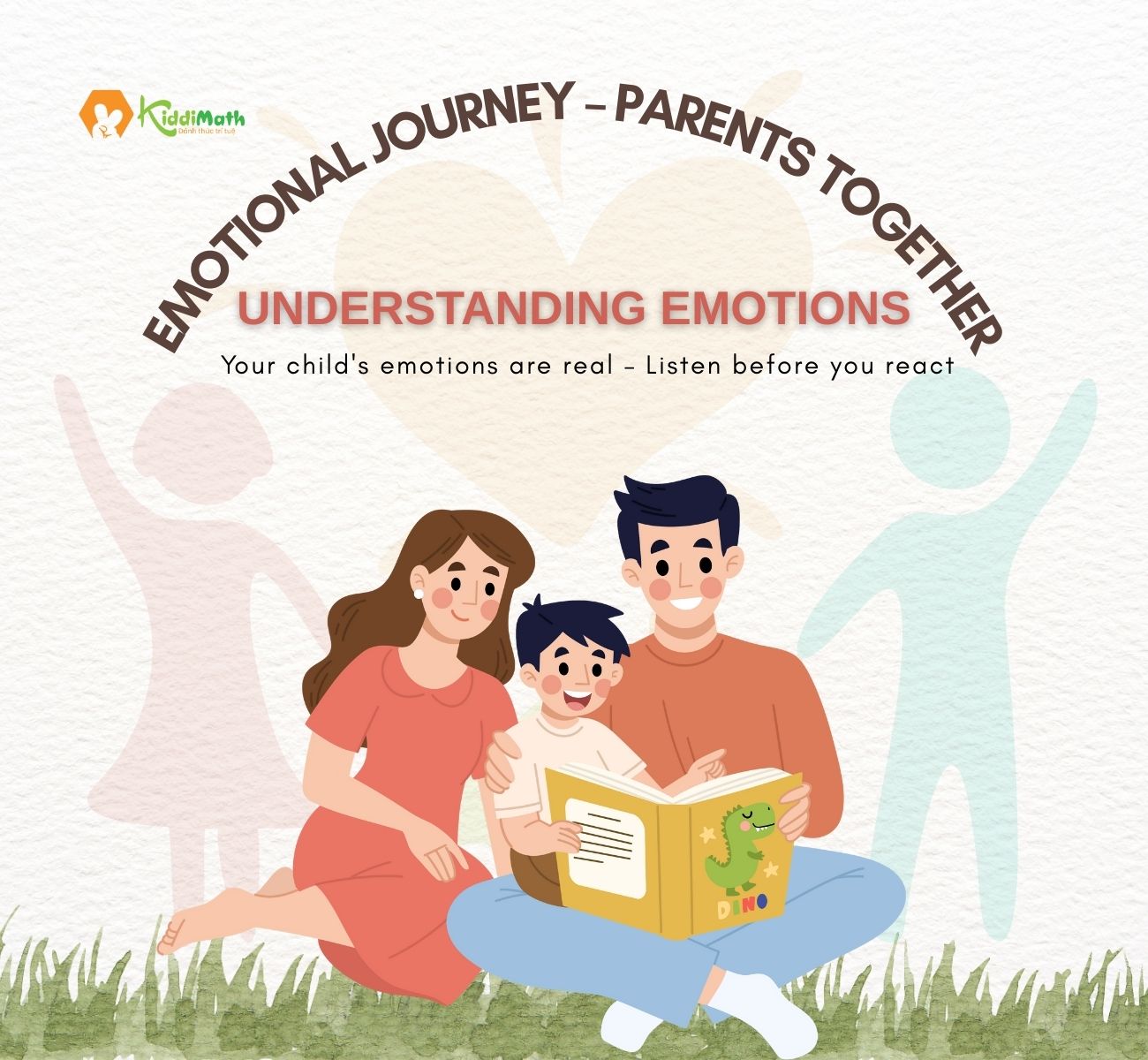
When a child has an emotional outburst, parents are the calm anchor that helps them learn how to settle down.
Imagine your child’s emotions as a fire: the harder you blow, the bigger it flares up. But if parents stay calm, that is the perfect chance to teach children how to manage their own emotional fire.
So, adults can gently acknowledge the child’s feelings:
“I see you’re very angry. Do you want to tell me what happened?”

Why should parents regulate their emotions first?
According to Daniel Goleman (2005), one of the core abilities of EI (emotional intelligence) is self-regulation. When parents can remain calm, they not only set an example but also create a safe environment for the child to learn how to manage their own emotions, gradually building the belief: “My feelings are allowed.”
If parents often get angry when a child cries or resists, the child may misunderstand: “Emotions are dangerous” or “Showing my emotions will push mom and dad away.” This can make them withdraw, or conversely, explode even more intensely to seek attention.
A child who experiences calmness, listening, and understanding from their parents will learn to respect their own emotions and also know how to respect the feelings of others.

How not to “burst” along with your child?
-
Pause – Breathe – Think
When you see your child crying or angry, take a few deep, slow breaths. This pause helps you avoid being swept up in their emotions.
-
Put yourself in your child’s shoes
Ask yourself: “What does my child really need?” Maybe it’s understanding, a break, or just a hug.
-
Keep your voice gentle
Tone and volume act as an “emotional mirror” for your child. The calmer your voice, the easier it is for your child to settle down.

-
Ask questions and listen
“How are you feeling right now?” instead of “Why are you crying again?” Open-ended questions help children express their true feelings.
-
Find solutions together
When emotions calm down, suggest: “What would help you feel better?” This teaches children to solve problems instead of just reacting.
Parents are the “keepers of the flame” in the family
Regulating emotions doesn’t mean suppressing them—it means knowing how to “keep the flame just bright enough” to light the way for your child. When parents remain calm, children not only feel safe but also learn a precious lesson: Emotions can be heard and transformed, instead of burning everything down.
References
Goleman, D. (2005). Emotional intelligence: Why it can matter more than IQ. Bantam.